
Desert Tale
Number 7, Volume 6
The Forgotten Ally: Poland
Richard Duslack, a friend living in Chicago who worked with my mother when they both taught English in the United States Peace Corps, wrote an article and sent me photos of Warsaw from his recent trip to Poland.
In the interest of clarity I have edited the letter he wrote to The Tribune some time ago, but this Desert Tale is all Richard’s work, and the photos belong to him. He wrote:
World War II can be partially blamed on the Soviet Union, who with their Nazi allies started the war by jointly attacking Poland in September 1939. The Soviet Union did not switch sides and become an enemy of Hitler until the Nazis attacked the Soviet Union in 1941. Russia claimed 27 million casualties but these were also people from Ukrainia, Belarus and Caucasus as well because most of the fighting occurred in non-Russian republics, and the Soviet occupied lands of Poland, Latvia, Lithuania, and Estonia. We can assume that a major percentage of casualties came from people of all these lands.
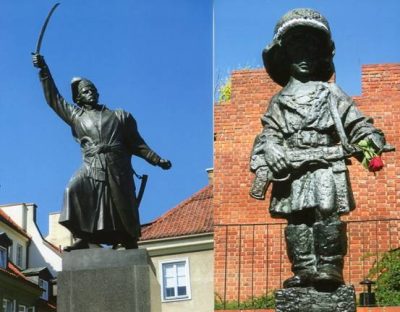
Outside Old Town wall. Statue of Jan Kiliński -- one of the commanders of the Kościuszko Uprising. He commanded the Warsaw Uprising of 1794 against the Russian garrison (We have cousins named Kiliński on my mother’s side). Statue of young insurgent (in honor of all the children who fought in the 1944 Warsaw Uprising).
The Soviets bent the truth to their advantage, but much of their success was due to the tremendous amount of weapons supplied by the United States. The Red Army was not the only army fighting the Germans in the East. Polish armies were fighting alongside them all the way to Berlin, (where they raised the Polish flag above the Brandenburg Gate!)
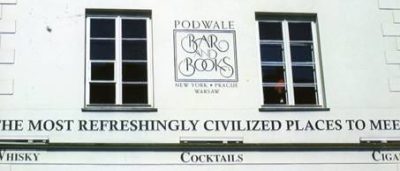
Bet you didn’t know you could understand Polish!—not your typical book store...
In fact, the most forgotten ally, Poland, is the only one who fought the Germans from the first day of the war until the last! It was the ally with the largest and longest lived underground (which accomplished such feats as retrieving a copy of the V-2 rocket, and then dismantling it and sending it to England.) It also obtained a working copy of the German Army ULTRA coding machine and helped to crack its code.
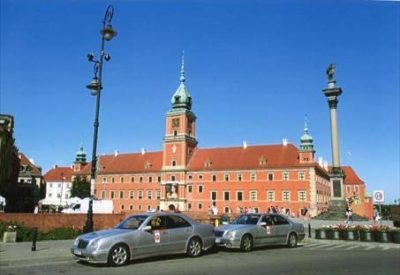
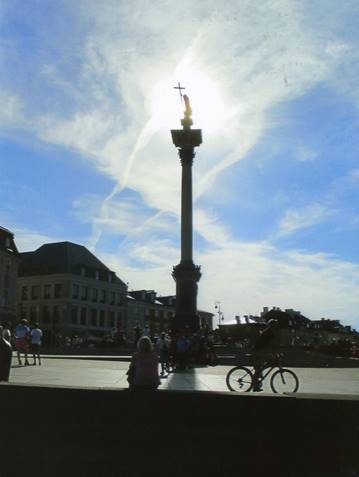
Reconstructed Royal Palace (King Sigismund column, originally erected in 1644, in honor of the king who moved the capital of Poland from Kraków to Warsaw).
Poland was the ally who fought in all the major battles on the Western front: including the Defense of France in 1940, the Battle of Britain which included the famous Polish RAF squadron, the sinking of the Bismarck, the Desert War against Rommel, the Battle of Monte Casino, which Polish soldiers captured, the D-Day Invasion of Normandy, the Battle of the Falaise Gap, the suicide mission for the “Bridge Too Far” at Arnhem, and the Battle of Berlin.
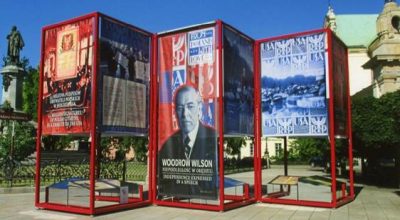
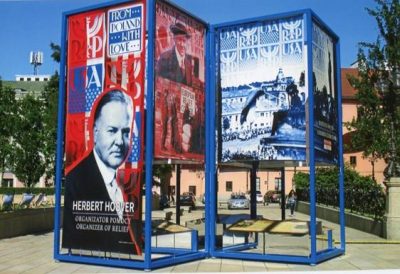
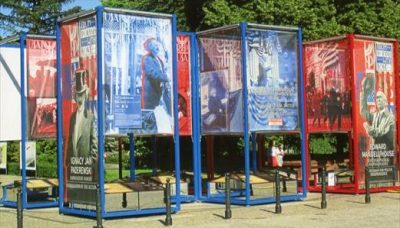
Displays set up to celebrate the centennial of the end of WWI, & the rebirth of the Polish nation (after 123 yrs. of partition by Russia, Prussia & Austria)
Poland was the ally who lost the largest percentage of its population in the Holocaust — let’s not forget the Katyn Forest Massacre of Polish officers – six million victims: half Christian, half Jewish. It was the only ally betrayed by its fellow allies. The only ally to lose territory after the war.
The only ally NOT invited to the victory celebrations in London at the end of the war. The only ally NOT permitted to march in the victory parade in Paris.
The ally with the fourth largest military forces who came as far away as Argentina to fight.
We should never forget the tremendous contributions to the Allied victory in Europe; yet Poland is always forgotten!
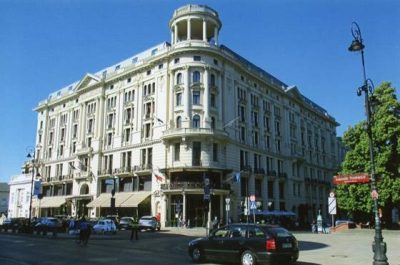
The Bristol Hotel (survived WWII because the Nazi’s used it)—the luxury hotel was once part owned by the pianist Ignacy Paderewski.
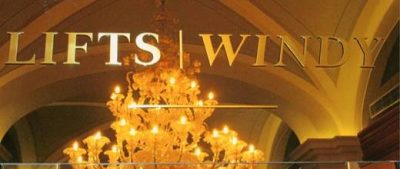
The elevators at the remodeled 5 star Raffles Europejski Hotel are windy! ---actually, they are: ”windy” is Polish for “elevators”!
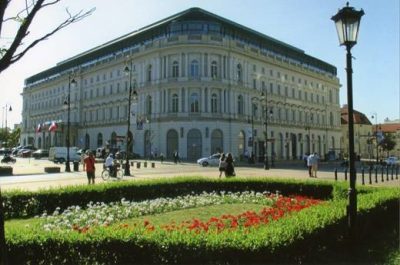
Raffles Europejski Hotel
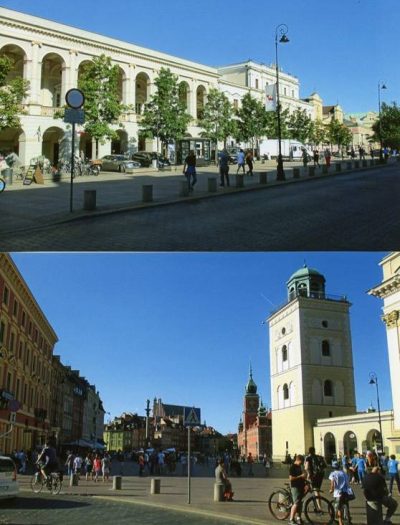
Two views of Krakowskie Przedmiescie (street leading to/from the Royal Castle)
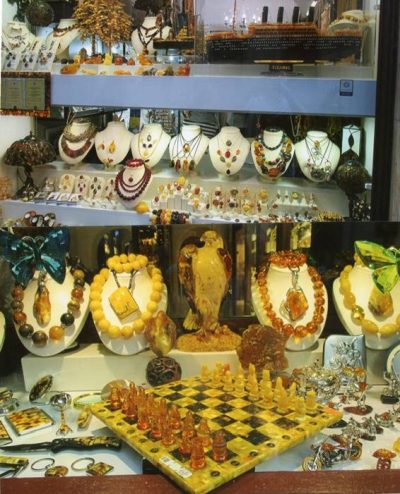
Amber
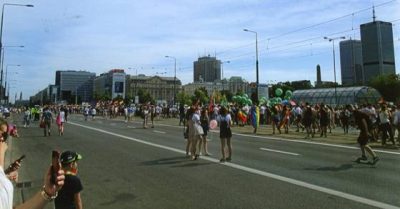
Rainbow parade on Marszalkowska street (with the Polonia & Marriot hotels in background
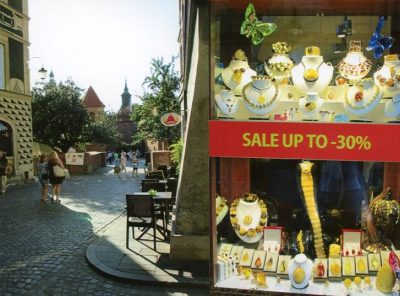
Looking toward the Barbakan Gate of Old Town (Stary Miasto) & More amber
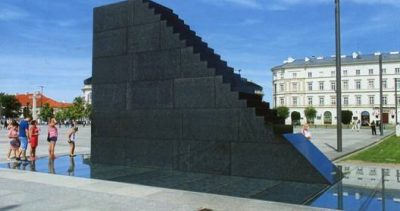
New monument to those Polish leaders who died in the airplane crash in Russian (near Smolensk) in 2010
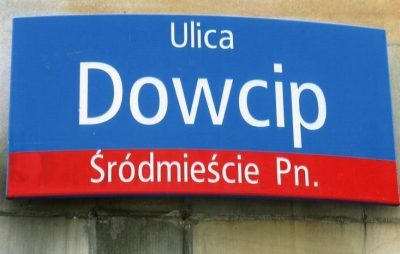
Joke Street
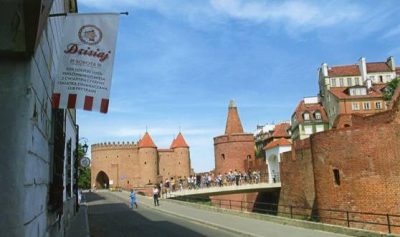
The Barbakan Gate and The Good Soldier Švejk Restaurant (left)
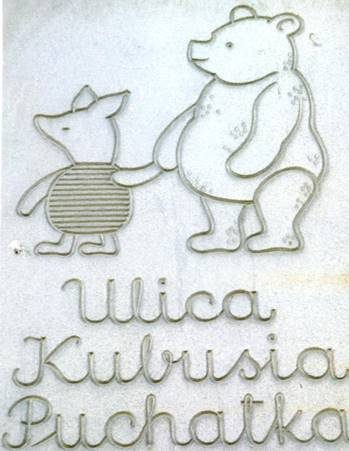
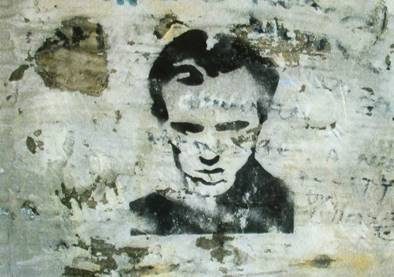
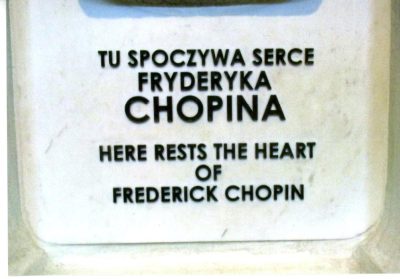
Winnie-the-Pooh Street/ Blessed Jerzy Popiełuszko graffiti/Chopin’s pickled heart
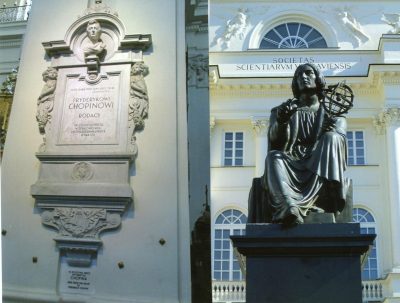
Chopin monument in Holy Cross Church & Copernicus (Kopernik) monument—he sits in Warsaw—he’s a guest!
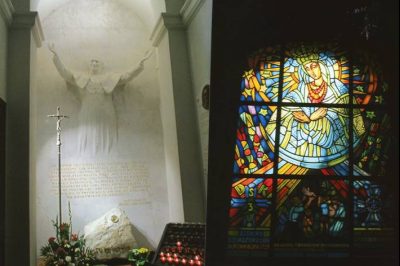
Holy Cross Church : new St. John Paul II monument & Our Lady of Ostra Brama (“East Gate”: Wilno, Lithuania) stained glass window
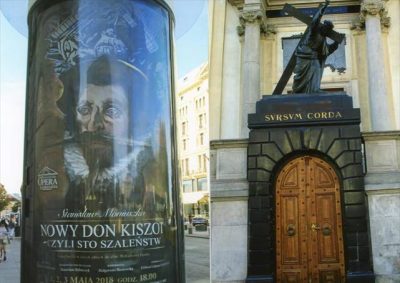
They use the French pronunciation (“Don Quichotte”/”Don Quixote”) Holy Cross Church (statue was little that survived WWII)
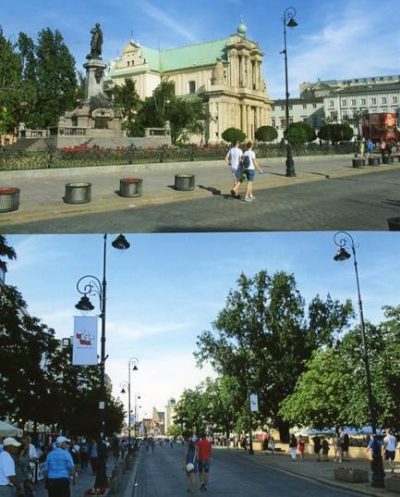
More of Krakowskie Przedmiescie (Adam Mickiewicz monument above)
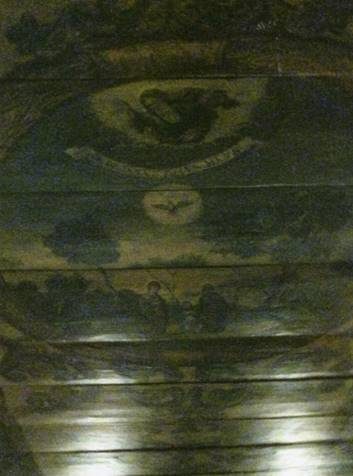
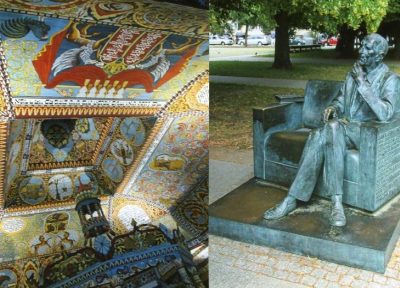
Rart of painted ceiling (Warsaw Museum)
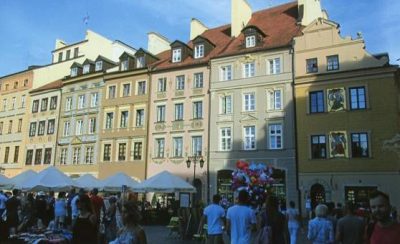
Old Town Market Square
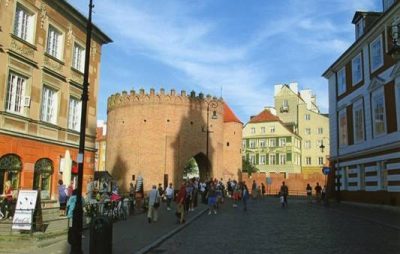
The Barbakan Gate
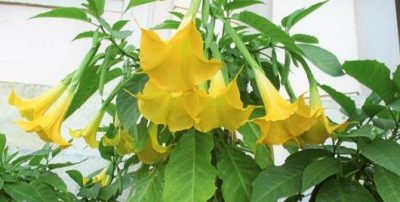
Unusual flowers on castle terrace
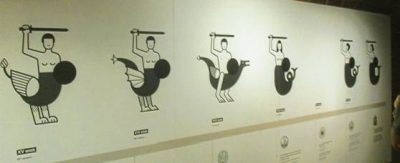
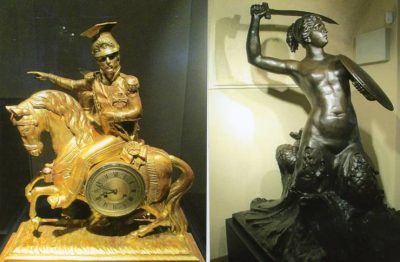
Various versions of the Warsaw Mermaid/Merman (symbol of Warsaw) throughout history
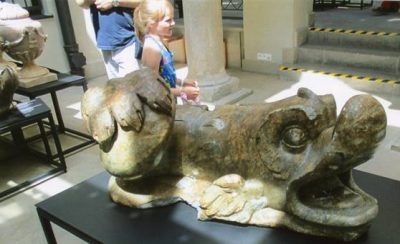
Remnant from a palace destroyed by the Nazis in WWII
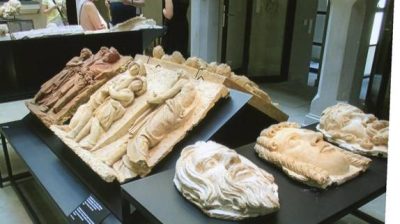
Fragments from the Wielki (Great) Theatre
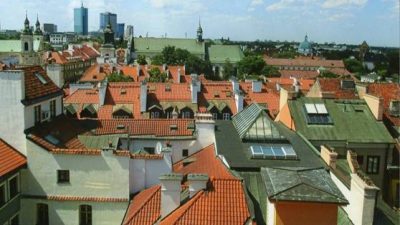
Dominican church (top center)
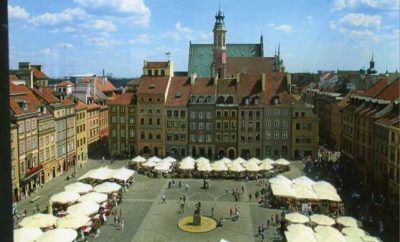
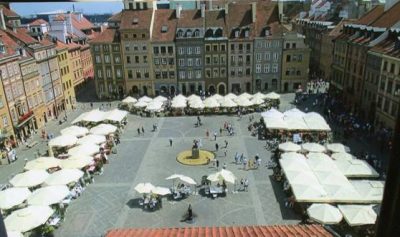
Views from the Warsaw Museum
BELOW: hussar clock /original Syrenka Warszawska (Mermaid of Warsaw)/statue of Jan Karski
Jan Karski ( Polish World War II resistance-movement soldier, and later a professor at Georgetown University. In 1942–43 Karski escaped Poland & reported to the Polish Government-in-Exile and to Poland's Western Allies about the situation in German-occupied Poland, especially about Germany's destruction of the Warsaw Ghetto and about Germany's extermination camps on Polish soil that were murdering Jews, ethnic Poles, and other nationalities.)
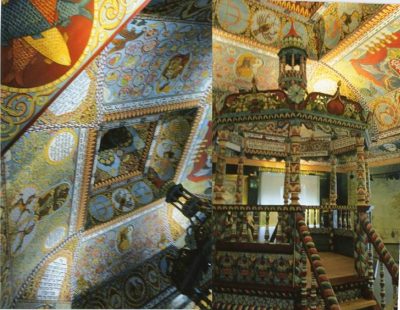
Reconsruction of a wooden synagogue in POLIN Museum of the History of Polish Jews (on the site of the former Warsaw Ghetto. The Hebrew word Polin in the museum's English name means either "Poland" or "rest here"
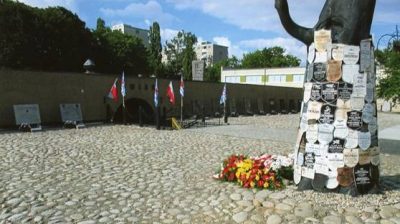
Pawiak prison museum
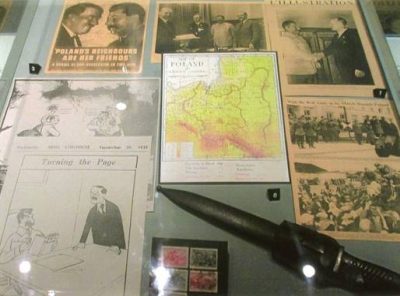
Pawiak Museum display showing the partnership of the Nazis & Soviets against Poland at the beginning of WWII
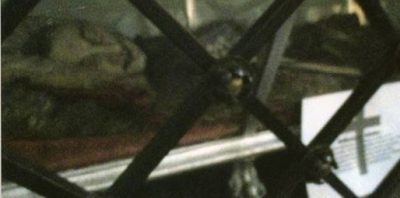
Fr. Witalis (oldest brother: Franciscan Church)
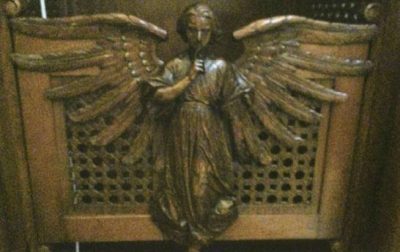
Detail of confessional
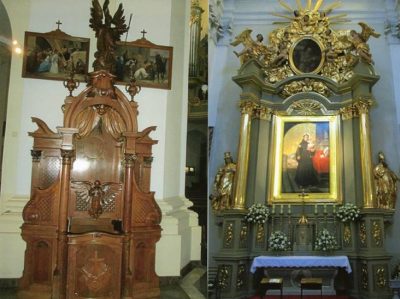
Franciscan Church (New Town): confessional &
Painting of St. Anthony that survived WWII bombing (1st postwar New Town Mass celebrated here)
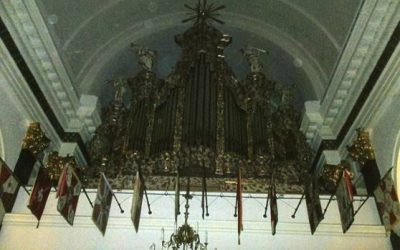
Organ: The Field Cathedral of the Polish Army
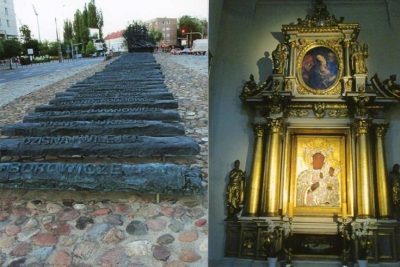
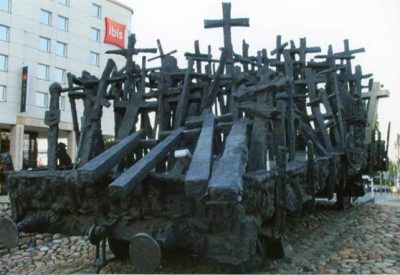
The Monument to the Fallen and Murdered in the East is a monument in Warsaw, Poland which commemorates the victims of the Soviet invasion of Poland during World War II and subsequent repressions. It was unveiled on 17 September 1995, on the 56th anniversary of the Soviet invasion of 1939.
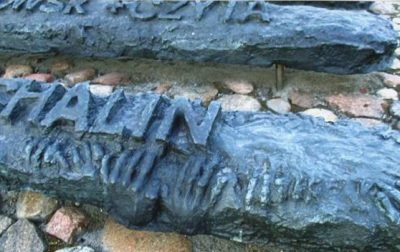
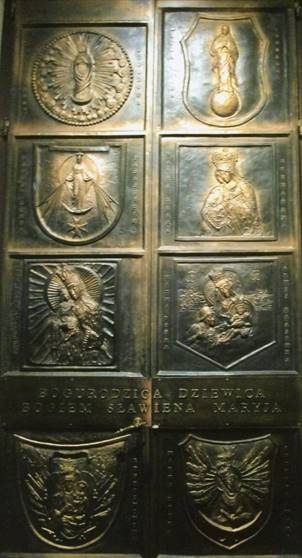
Door of the Field Cathedral of the Polish Army (Polish: Katedra Polowa Wojska Polskiego, also known as the Church of Our Lady Queen of the Polish Crown) is the main garrison church of Warsaw and the representative cathedral of the entire Polish Army. It features several Madonna breastplate designs (originally worn by knights).
Richard Duslack, Chicago
P.S. I might add that my father gave his life, killed in action at the Battle of the Falaise Gap, France 1944. So I will NOT permit Poland to be the forgotten ally.
Alinka Zyrmont